
If you’re wondering whether a titanium chopping board is worth investing in for 2026, you’re not alone. Titanium, known for its strength and lightweight properties, has made its way from aerospace and medical uses into kitchenware, including chopping boards. But how does this metal hold up when it comes to everyday cooking tasks? Is it really the best choice compared to traditional wood, plastic, or bamboo boards?
In this article, we’ll unpack the pros and cons of titanium boards. You’ll get a clear picture of how they handle hygiene, knife friendliness, durability, and maintenance. We’ll also compare titanium boards to other popular materials so you can decide if it really fits your kitchen needs and budget in 2026. Whether you’re a health-conscious home cook or a professional chef, this guide aims to give you practical insights about whether it is worth the expense and care.
Pros of Titanium Board
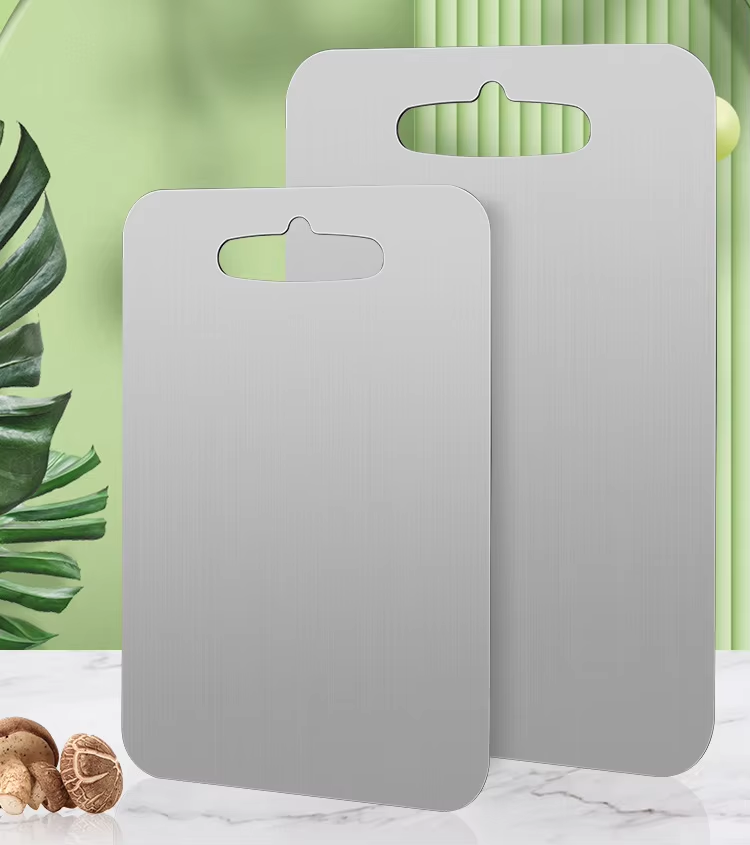
Titanium chopping boards come with plenty of strong points that make them worth considering in 2026, especially if you value durability and hygiene.
Material Hygiene and Bacteria Resistance
Titanium is non-porous, which means it doesn’t absorb liquids or food particles. This helps prevent bacteria build-up, making it far more hygienic than wood or plastic boards. For anyone focused on kitchen cleanliness, this is a real bonus.
Knife Friendly Surface and Hardness
While titanium is incredibly tough, it still offers a surface that’s gentle on your knives compared to harder materials like glass or ceramic. Your blades won’t dull as quickly, which is great if you want to keep your knives sharper for longer.
Lifetime Durability and No Warping
One of the biggest advantages is just how tough these boards are. They won’t warp, crack, or chip over time, unlike wood or bamboo. This lifetime durability means fewer replacements and better value in the long run.
Lightweight Yet Stable Design
Despite being metal, titanium chopping boards are surprisingly light, which makes handling and storage easier. At the same time, they’re stable enough on the countertop to give you confidence when cutting.
Superior Hygiene and Eco Friendly
Because titanium is recyclable and lasts indefinitely, it’s a great eco-friendly choice. It avoids the waste issues linked with plastic boards and the deforestation concerns with wooden ones.
Heat and Odour Proof
Titanium boards won’t absorb smells or get damaged by heat. This makes them perfect for chopping all kinds of food – from raw meat to hot bread – without worrying about lingering odours or heat damage.
Easy Maintenance and Dishwasher Safe
Cleaning is hassle-free. Titanium chopping boards can go straight in the dishwasher without worrying about warping or splitting like wooden ones. Plus, their smooth surface wipes clean effortlessly, saving you time in the kitchen.
All these features combined make titanium chopping boards a solid option for anyone after a long-lasting, hygienic, and low-maintenance surface for food prep.
Cons of Titanium Chopping Boards
While titanium chopping boards offer many perks, there are some downsides you should consider before buying one.
| Con | Explanation |
|---|---|
| Higher Replacement Cost | Titanium boards are pricier upfront compared to wood, plastic or bamboo. |
| Slightly Slippery When Wet | The smooth metal surface can get slippery during cutting if not dried properly. |
| Potential Knife Dulling | Titanium is very hard and may dull knives faster than softer boards like wood. |
| Limited Size Options | You won’t find as many sizes or thicknesses available as with traditional boards. |
| Metallic Appearance | The shiny, metallic look may not fit all kitchen styles or preferences. |
The higher price can be a barrier for some shoppers, especially if you want several boards for different tasks. And while titanium is tough, the surface can feel slippery when wet, so a non-slip mat is advisable. Also, knives do go blunt quicker on titanium, meaning you’ll need to sharpen them more often to keep them cutting well.
If you prefer lots of size choices or a more natural, warm look, you might find titanium limited in those areas. Its sleek metallic finish is quite different from classic wood or bamboo boards.
For more on the benefits and drawbacks, check out Benefits of using a Titanium Chopping Board.
Head to Head Comparison Titanium vs Wood Plastic and Bamboo
Here’s a quick comparison to see how titanium chopping boards stack up against wood, plastic, and bamboo across key factors UK kitchens care about:
| Feature | Titanium | Wood | Plastic | Bamboo |
|---|---|---|---|---|
| Noise and Scratch Resistance | Very low noise, highly scratch resistant | Moderate noise, gets scratched easily | Moderate noise, scratches show | Moderate noise, more scratch resistant than plastic |
| Hygiene and Knife Friendliness | Non-porous, bacteria resistant, fairly knife friendly | Porous, absorbs bacteria, gentle on knives | Non-porous but can develop cuts where bacteria hide | Slightly porous, antibacterial properties, gentle on knives |
| Durability and Maintenance | Lifetime durability, no warping, dishwasher safe | Needs oiling, can warp/crack, long lasting with care | Less durable, can warp, easy to replace | Durable but can crack, needs oiling |
| Price | Higher upfront cost, long term value | Moderate price, can be costly for premium types | Cheapest option, frequent replacement | Moderate, affordable and eco-friendly |
| Weight | Lightweight yet stable | Heavier, bulky | Lightweight but less stable | Light and fairly stable |
| Appearance | Modern metallic look | Classic, natural wood grain | Plain colours, less stylish | Natural with warm tones |
- Titanium boards offer superior hygiene and unbeatable durability but come at a higher price.
- Wood is knife friendly and traditional but needs regular upkeep.
- Plastic is cheap and lightweight but less durable and can harbour bacteria.
- Bamboo is eco-friendly and durable but requires maintenance and is less knife friendly than titanium.
This table helps UK buyers choose based on budget, lifestyle, and kitchen needs.
Who Should Buy a Titanium Cutting Board
Titanium chopping boards aren’t for everyone, but they fit a specific crowd well. Here’s who should consider one:
Health Conscious Families and Professional Chefs
- Hygiene is key: Titanium’s non-porous surface resists bacteria and odour, making it ideal for families focused on clean eating and reducing cross-contamination.
- Durability under heavy use: Professional chefs will appreciate titanium’s tough, scratch-resistant surface that stays stable after years of chopping and slicing.
Budget Considerations
- Higher upfront cost: Titanium boards are pricier than wood or plastic, so they’re best for those willing to invest in a long-lasting, hygienic option.
- Long-term value: Though expensive, the durability means fewer replacements, potentially saving money over time.
Comparison with Stainless Steel Boards
| Feature | Titanium | Stainless Steel |
|---|---|---|
| Weight | Lightweight & stable | Heavier, less easy to move |
| Surface hardness | Hard but knife-friendly | Very hard, may dull knives faster |
| Hygiene | Non-porous, bacteria resistant | Non-porous, good hygiene |
| Heat resistance | High | High |
| Price | Higher upfront | Generally less expensive |
If you want something lighter yet as durable as steel, titanium is worth considering. Stainless steel is practical but can feel clunky and harsh on knives.
In short, titanium suit those who want top hygiene, durability, and a bit of style — perfect for busy kitchens where quality counts. If your budget’s tight or you prefer traditional boards, you might stick with wood or plastic instead.
Real User Experiences and Expert Insights
Titanium boards receive mixed but mostly positive feedback from real users and experts alike. Let’s break down what people are saying, cleaning tips they swear by, and what science shows about bacteria resistance.
User Praise and Criticism from Reddit and Forums
Praise:
- Very durable – Users love that these boards last for years without warping or cracking.
- Hygienic surface – Many highlight how easy it is to keep clean, saying it doesn’t hold on to smells or stains.
- Lightweight and stable – Even though it’s metal, it’s surprisingly light and doesn’t slip much on the worktop.
Criticism:
- Knife dulling concerns – Some home cooks notice their knives need sharpening more often than with wooden boards.
- Slippery when wet – A common complaint is the board can feel a bit slick if not fully dry.
- Price tag – More than a few mention the higher cost puts them off compared to plastic or bamboo.
Cleaning and Maintenance Tips from Users
- Wash with warm soapy water immediately after use.
- Avoid abrasive scourers to keep the surface smooth.
- Use a soft cloth to dry thoroughly and prevent water spots.
- Most users confirm these boards are dishwasher safe but recommend hand washing to prolong appearance.
Bacteria Test Comparisons
Studies and independent tests show titanium chopping boards have excellent bacteria resistance:
| Material | Bacteria Growth | Porosity | Odour Retention | Dishwasher Safe |
|---|---|---|---|---|
| Titanium | Very Low | Non-Porous | None | Yes |
| Wood | Moderate | Porous | Can absorb | No |
| Plastic | Moderate-High | Semi-Porous | Possible | Yes |
| Bamboo | Low | Slightly Porous | Mild | No |
The non-porous titanium surface makes it very hard for bacteria to hide and multiply, which appeals greatly to health-conscious buyers.
Expert Endorsements
Professional chefs and kitchen experts often recommend titanium chopping boards for busy, hygienic kitchens due to:
- Long-lasting surface that won’t warp or stain.
- Easy sanitisation improving food safety.
- Eco friendly credentials compared to single-use plastic boards.
However, they usually advise pairing titanium boards with a quality knife sharpener and emphasise regular maintenance to avoid blade dulling.
Overall, real users and experts alike see titanium chopping boards as a strong contender for anyone serious about durability and hygiene in 2026 kitchens.
Maintenance Tips for Titanium Board
Keeping your titanium chopping board in top shape is straightforward, but a bit of care goes a long way.
Cleaning Best Practices
- Use warm soapy water for daily cleaning—titanium is non-porous and resists stains well, so this is usually enough.
- Avoid harsh abrasives or steel wool that could scratch the surface. A soft sponge does the job perfectly.
- For a deeper clean, you can safely pop it in the dishwasher, as titanium boards are dishwasher safe and won’t warp.
- After washing, dry thoroughly with a clean cloth to prevent any water spots or residue.
Knife Care Recommendations
- While titanium boards are tough, they’re knife friendly but not completely soft. To keep your knives sharp longer:
- Use a good quality knife sharpener regularly.
- Avoid hacking away with excessive force straight on the board—gentle chopping extends knife life.
- Resharpen knives more often if you notice dullness, as titanium’s hardness can wear blades down gradually.
Storage and Longevity Hacks
- Store the board flat or upright in a dry place to avoid warping.
- Keep it away from direct sunlight or extreme heat sources despite its heat resistance, as this protects any additional non-metal materials or grips.
- Regular upkeep and avoiding knocks or drops will ensure your titanium chopping board lasts many years, keeping it hygienic and stable for everyday use.
For more detailed maintenance advice, you can check the titanium chopping board maintenance guide.
FAQ
Does a titanium cutting board dull knives quickly?
Titanium boards are harder than wood or plastic, so there’s a chance they can dull knives a bit faster. However, most users find the effect minimal with regular kitchen knives. Sharpening your knives regularly will keep them in good shape.
Is a titanium chopping board really hygienic?
Yes, titanium is non-porous and naturally bacteria resistant, making it one of the most hygienic options. It doesn’t absorb liquids or smells, so it’s excellent for food safety.
How do I clean and maintain a titanium board?
Easily cleaned with warm soapy water or put in the dishwasher.
Avoid harsh abrasives to keep the surface smooth.
Dry thoroughly before storing to prevent any moisture build-up.
Regularly check knife edges and sharpen if needed due to the harder surface.
Are titanium chopping boards heat resistant?
Yes, they can handle heat well without warping or damage. However, avoid placing very hot pots directly on the surface to maintain its finish.
What about size options for titanium boards?
They tend to come in fewer sizes compared to wood or plastic, so check dimensions before buying to suit your kitchen needs.
Is the cost worth it and what about the warranty?
Titanium chopping boards are pricier upfront but offer excellent long-term durability. Most brands offer warranties ranging from 1 to 5 years, reflecting confidence in quality. Always check warranty details before purchase.
Can titanium boards replace wood or plastic in the kitchen?
For health-conscious households or pro chefs, they’re an excellent upgrade. If budget and knife wear are concerns, traditional boards might still be a better fit.